
Is a Concussion a Traumatic Brain Injury?
When you hear the word concussion, a football or other sports injury is what most likely pops into your head first. The reality is, concussions aren’t limited to just sports. They can happen after any type of accident, whether it’s on the sports field, the workplace, or even after an injury when you’re out and about.
If you’ve suffered a concussion because of someone else’s negligence, you’re not alone. Roughly 25% of adults will experience a concussion in their lifetime.
You don’t have to struggle alone, especially if you were not to blame for your concussion. Taking legal action can help you hold responsible parties accountable, helping you alleviate some of the stress associated with the medical cost of recovery and other losses you may be suffering.
Contact a concussion injury lawyer in Colorado Springs to learn more about your legal rights and options after a head injury. Our team is here to help.
What Is a Concussion?
A concussion is a type of head injury that causes your brain to quickly shake back-and-forth inside your skull. Unlike most types of injuries, a concussion does not usually cause structural damage that can be picked up on medical imaging tools, like CT scans or MRIs.
While concussions don’t cause structural damage, they do cause temporary dysfunction to your brain’s cells. This damage can result in noticeable symptoms that doctors use to diagnose a concussion.
What Causes a Concussion?
There are many reasons why someone might suffer a concussion, but concussions are typically caused after there’s been trauma to the head.
Some of the more common reasons for concussions include:
- Motor vehicle accidents
- Motorcycle accidents
- Being struck in the head by an object
- Work-related head injuries
- Sports-related injuries
Is a Concussion Considered a Traumatic Brain Injury?
Yes, concussions are considered traumatic brain injuries, but many concussions are classified as mild traumatic brain injuries, since a majority of concussions are not life-threatening.
However, that does not mean the symptoms that follow do not disrupt a recovering individual’s daily life, regular activities, and ability to go to school or work.
How Are Concussions Diagnosed and Treated?
Diagnosing concussions can be tricky but treating them is pretty straightforward. All concussions are typically diagnosed after a clinical evaluation. This is when your doctor will use cognitive tests or psychological tests to determine how you respond to certain stimuli.
You’ll be evaluated to see how you respond in relation to your learning, your memory, your ability to concentrate, and your problem-solving abilities. While MRIs and CT scans cannot pick up evidence of a concussion, these tests may be used to rule out other serious, visible injuries instead.
Once someone has been diagnosed with a concussion, they’ll be put on a pretty straightforward treatment plan. For many recovering individuals, the treatment plan is rest. Both physical and mental rest. If your concussion is accompanied by pain because your injury was a blow to the head, you might be prescribed acetaminophen or other pain medication as well.
Depending on the extent of your concussion, your treatment can take anywhere from one to two weeks. An injured individual might continue to experience lingering symptoms for months and even longer after the injury. If your injury was related to a sport, you typically won’t be allowed to continue playing this sport until you have healed completely.
What Are Common Signs and Symptoms of a Concussion?
After being diagnosed with a concussion, injured individuals might experience common physical symptoms, such as:
- Headaches
- Ringing in the ears
- Nausea and vomiting
- Unexplained fatigue or drowsiness
- Sensitivity to light and noise
- Blurry vision
- Confusion or feeling foggy
- Memory loss
- Difficulty concentrating
When Should You Seek Medical Care After a Head Injury?
If you’ve suffered a blow to the head and are suddenly feeling confused, dizzy, or any of the symptoms above, you should seek medical attention immediately.
If the blow to the head was severe but you are not experiencing any of these symptoms, you should still seek out medical care to rule out any underlying issues.
Can a Concussion Happen After a Car Accident, Slip and Fall, or a Workplace Accident?
While most concussions are associated with sports injuries, concussions can absolutely happen in a car accident, slip or fall, or workplace accident. Any type of injury that causes you to hit your head or involves an object striking you in the head can result in a concussion.
If your concussion was the result of a workplace injury or slip and fall, speaking with a Colorado concussion injury lawyer is an avenue to help you understand your legal rights and options.
Can a Concussion Impact Your Daily Life or Ability To Work?
Due to the nature of these traumatic head injuries, a concussion can absolutely impact your daily life, forcing you to stop activities, including work for a period of time.
Daily life activities, like reading, watching TV, and any other activity that requires cognitive concentration can hinder your healing and result in a temporary loss of enjoyment of life. Meanwhile, being unable to work during your recovery can also result in tangible losses, like lost income and earned wages.




















What Compensation May Be Available After a Concussion-Related Injury?
By pursuing a personal injury lawsuit, you may be able to recover compensatory damages related to your lost income and other damages. The compensation you may be able to recover helps cover the cost of medical bills, ongoing treatment costs, lost income and wages because of your inability to work, and even losses related to your enjoyment of life.
How To Prove Your Concussion-Related Injury
Proving your concussion was caused by someone else’s negligence is crucial if you’re pursuing a personal injury claim. Despite the difficulty in proving an injury that can’t be picked up on medical tests, like MRIs and CT scans, there are still ways to prove your claim.
- Medical records: Records from your healthcare provider can prove that you have suffered a concussion and are on a treatment plan related to your concussion. After you’ve suffered an injury, make sure that you seek out medical care immediately so as to prove that the treatment you received was a direct result of the accident you suffered.
- Injury documentation: Document your injury by filing a report if your injury happened at work or in a public building. You can also keep documentation, such as a journal, about how you are healing.
- Cause of your accident: Document through photos and videos the cause of your accident or the aftermath at the injury site. You should also take down witness statements and get copies of police reports as well. These are all pieces of evidence that can help prove what caused your accident.
When Should You Call and Talk to a Colorado Springs Concussion Injury Lawyer?
You should reach out to speak with a Colorado Springs counselor immediately after your accident. The sooner you act, the sooner you can take action to hold responsible parties accountable and recover the compensation you deserve.
At Bachus & Schanker, our concussion injuries will provide you with free case evaluations so you get a thorough understanding of your legal rights and options. Call today to schedule your free case consultation.
Explore Our Other Offices Across Colorado
Serving You 24/7 & Virtual Appointments Available
Related Brain Injury Resources


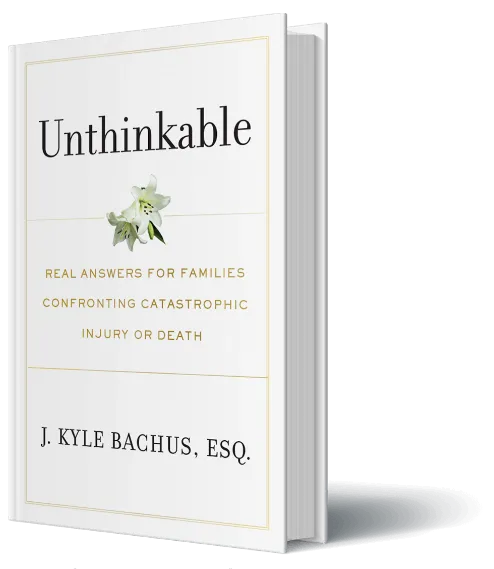
#1 Amazon Best Seller in the Legal Industry
Attorney Kyle Bachus knows first-hand how difficult it can be to suddenly lose a loved one in an accident. It’s also devastating when you or a family member suffers severe injuries that forever change your lives. Kyle wrote this book as a resource from his personal experience for families who have suffered a traumatic loss.
A Spanish edition of the book is also available, offering the same support and guidance to Spanish-speaking families.
You Deserve Fair Compensation
Don’t let the insurance companies intimidate you into accepting less than you deserve. We’re ready to fight for you.